Prediction Markets Hit $50.6B in July Then Fell 56% in August: What the World Cup Numbers Really Show
July was a record $50.6B for Kalshi and Polymarket, then volume fell 56% after the World Cup. Why did open interest collapse by 40%, and what held Kalshi up?

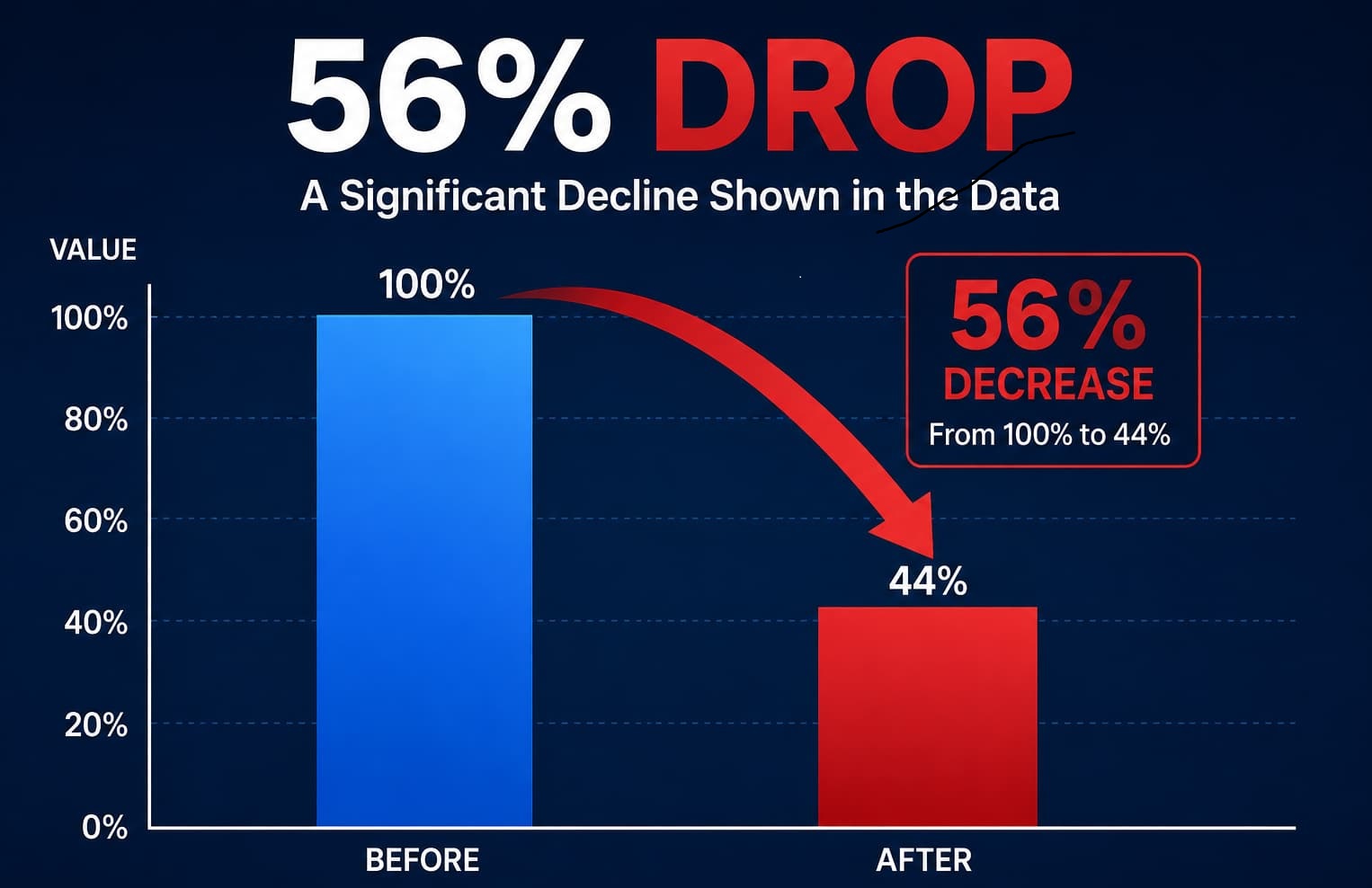
July was the biggest month in prediction market history. Then the World Cup ended, and the chart fell off a cliff.
Kalshi, Polymarket, and Polymarket US combined for $50.59 billion in trading volume in July, an all-time high, up 7.8% from June's $46.95 billion. By the second week of August, Polymarket's weekly volume had fallen 56% from its June peak. Kalshi's had fallen 25%.
Both statements are true. Understanding why they are true simultaneously is the difference between trading the next peak and holding through the trough.
The $50.6 Billion Record, Broken Down
The record was not evenly distributed. It was Kalshi's month.
Kalshi: $37.7 billion, 74.5% share, up 14% month over month. The highest monthly total in its history and its largest share of the combined market, closer to three-quarters than the two-thirds it had averaged. Sports contracts accounted for roughly 80% of that volume, driven almost entirely by the 2026 FIFA World Cup, which ran June 11 to July 19. Kalshi's market on the Spain–Argentina final alone brought in close to $1.9 billion.
Polymarket international: $7.9 billion, down 26% from June. The blockchain-based offshore venue saw volume shed as the World Cup wrapped and some activity migrated onshore.
Polymarket US: $5.0 billion, up 54% from June. The CFTC-regulated domestic exchange, which removed its iOS waitlist in May, posted its strongest month since launch. Combined, the two Polymarket venues did $12.9 billion, down from roughly $14 billion in June.
194,000 wallet addresses traded Polymarket's World Cup winner market alone. Kalshi ran a Times Square billboard with Lionel Messi, pitch-side signage at the final, and a national TV campaign with Timothée Chalamet. Polymarket ran 45 ads during live World Cup broadcasts on Fox and Telemundo. The rest of the U.S. prediction industry combined ran 22.
The industry spent to acquire the user. July shows it worked, once.
The Drop Nobody Put in the Headline
The post-tournament numbers, compiled from Dune Analytics and cited by Bloomberg on August 12, tell the other half:
Polymarket combined weekly volume: -56% from the June peak.
Kalshi weekly volume: -25% over the same period.
Daily volume: Kalshi fell from about $1.4 billion at the start of July to roughly $788 million by month-end. Polymarket (both venues) fell from about $550 million to $422 million.
Fee revenue: Polymarket's daily fee revenue dropped about 40.5% after the tournament; Kalshi's fell 9.3%.
The share of volume coming from sports tells the same story. During the tournament, sports were roughly 80% of both platforms' volume. After the final, that share fell to about 60% on Kalshi and 50% on Polymarket. Kalshi currently lists 28,996 active markets; Polymarket lists 8,040. Breadth is the reason the drop was half as steep on Kalshi; there was more to trade after the whistle.
The Number That Matters More Than Volume: Open Interest
Volume is how much traded. Open interest is how much stayed.
On July 1, with the World Cup in full knockout swing, open interest across Kalshi, Polymarket, and Polymarket US stood at roughly $2 billion. By July 31, two weeks after Spain lifted the trophy, it had fallen to about $1.2 billion, a 40% intramonth collapse, per The Block's open interest tracker.
That is the number that should give every trader pause. Markets are supposed to clear efficiently after an event. But a 40% drop in the same month the industry set a volume record means the platforms generated an enormous peak and then watched capital leave rather than redeploy. The industry has a name for this: the event flywheel problem, how to maintain user engagement and capital deployment between the events that drive peak activity.
The Polymarket family provided the cleanest natural experiment. Two venues, one product, one regulated and domestic, one offshore. After access to Polymarket US fully opened, volume moved 54% toward the licensed venue and 26% away from the offshore venue in a single month. Rutgers statistician Harry Crane estimates that about 30% of Polymarket's offshore volume may have originated from U.S. users, a figure the platforms do not verify but one that is consistent with the migration.
IG Group's behaviour confirmed the outside direction: in July, the UK-listed gambling group paid up to $1.3 billion to acquire a licensed venue rather than build one. Three independent data points- Kalshi's share, Polymarket's migration, and IG's purchase- all pointed the license premium up.
What Happens Between the Peaks
The World Cup is over. The next peaks are not theoretical:
The midterm elections arrive November 3. Political contracts on both Kalshi and Polymarket are already heating, House control at 88.5 cents for Democrats, Senate a coin flip, and they are the first sustained non-sports driver that can test the flywheel. Politics is already moving policy markets: the CLARITY Act stalled because Democrats refused a pre-election vote, as we covered.
The NFL season opens in September. Polymarket US expects to launch custom parlays this month, a product that inflates notional volume and should narrow the headline gap with Kalshi.
Distribution and trust are the other catalysts. Polymarket added executives from Robinhood, Coinbase, Nasdaq, the FBI, Uber, and Lyft in the last two weeks, reorganising compliance, surveillance, and growth. Kalshi's Cantor Fitzgerald and Susquehanna block-trade deal enables institutions to transact at scale for the first time. Those hires and deals do not show up in volume. They determine whether volume can be rebuilt without a World Cup.
There is also a regulatory drag. New York City Council Speaker Julie Menin sent formal questions to Polymarket, Kalshi, Coinbase, and Gemini's Titan this week as part of a probe into whether existing city laws protect residents from false or deceptive marketing. Washington became the fourth state blocking Kalshi on August 15. Scrutiny rises with scale, and scale is what both platforms are chasing.
How to Trade the Gap Between Volume and Open Interest
Do not chase the headline $50.6B. Use it as a baseline for what a global peak looks like, then trade the composition. Kalshi held because it had non-sports markets to absorb capital, weather, economics, and 29,000 other contracts. When the next peak ends, the venue with more to trade after the whistle will better hold open interest. That is a structural edge, not a one-month story.
Watch the Polymarket US migration as your liquidity signal. Polymarket's international venue fell by 26%, while the U.S. venue grew by 54% in one month. If you trade crypto-denominated markets, the liquid venue is moving onshore. The fee and spread you pay will depend on which venue you are on, and the arbitrage gaps between Kalshi and Polymarket have widened and closed precisely around this migration.
Size for the flywheel, not the peak. Open interest falling 40% in a record month means capital is leaving between events. The mistake is to size your next position as if July volume is the new normal. The discipline for sizing through troughs is in our bankroll guide.
Track the next two volume prints, not just the midterms. The August close, the first full month without the World Cup, and the September open with the NFL will tell you whether the platforms solved the flywheel or just bought it for a month. Those prints move sector valuations faster than any single market's odds.
In Summary
Prediction markets have proven they can handle $50 billion in a month. They also proved they can lose $800 million in open interest in the same month.
Both are true. The platforms that hold capital between the peaks, with more markets, better distribution, and onshore-regulated venues, will be the ones that compound. The ones that need a World Cup every month will not.
Rate this piece — one tap, no signup
Political Markets Correspondent
Mary Ngaruiya is our Political Markets Correspondent, covering the intersection of legislative policy, financial markets, and regulatory conflict. Her reporting focuses on the evolving federal preemption debate, including disputes between the CFTC and state gaming regulators, while breaking down the legal and regulatory issues shaping event-based markets.
Mary also tracks emerging legal risks around prediction markets, including questions about whether federal employees can trade sensitive event contracts and why regulatory rulings can differ across states such as Nevada and Massachusetts. Her work aims to make complex policy and legal developments easier for readers to understand, particularly as the lines between traditional gaming, financial markets, and event contracts continue to shift.
Alongside her political markets coverage, Mary is a specialist in iGaming and contributes to BettingTop10, where she writes casino reviews, sportsbook reviews, betting guides, and other practical content for online betting audiences. This experience gives her a broader understanding of the gambling industry, from regulatory policy and market structure to the platforms and products used by everyday bettors.
The Weekly Signal
Every Friday — the week's sharpest prediction market analysis, forecasting insights, and data-driven commentary. No noise.
Disclaimer: This content is for informational and educational purposes only. It does not constitute financial advice, investment recommendations, or trading guidance. Prediction market participation involves risk of loss. Always conduct your own research before making any financial decisions.