Fed Decision September 2026: Why Prediction Markets Price a Hold at 72%
No change priced at 72.5¢ on Polymarket for the Sept 15-16 FOMC, with ~26% risk of a hike remaining. Here's the data and the Sept 15 CLARITY vote convergence.

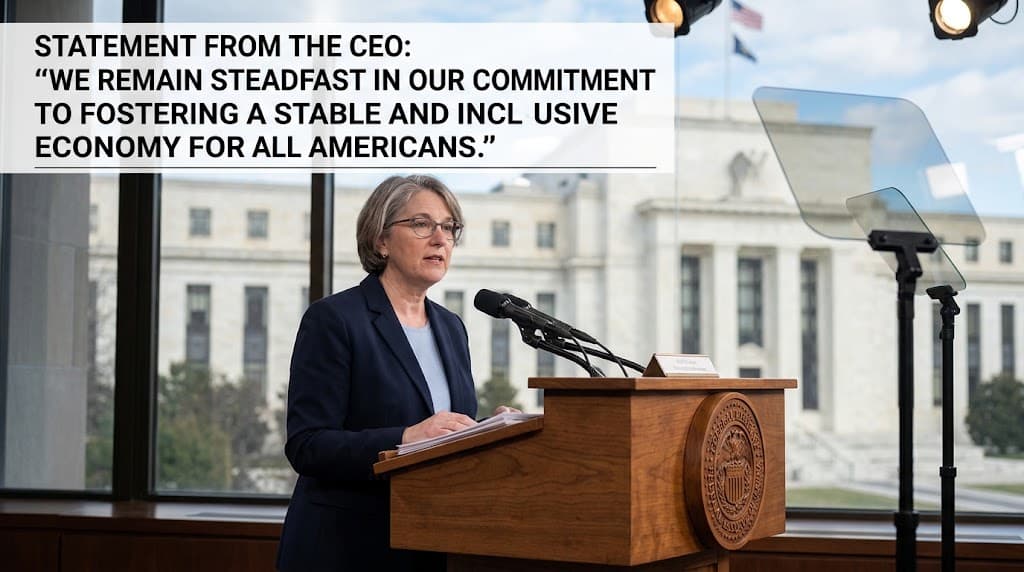
The Federal Open Market Committee meets September 15–16, 2026, and for the first time in this tightening cycle, the markets are treating the outcome as close to settled: no change.
Polymarket's "Fed Decision in September" contract prices no change at 72.5 cents, a 25-basis-point decrease at 1.25 cents, and a 50-plus-basis-point decrease at a quarter of a cent. In practical terms, the market is pricing roughly a 72.5% chance of a hold, about a 26% chance of a hike, and less than 2% odds of a cut.
And here is the convergence nobody is talking about: September 15, the first day of the Fed meeting, is also the day the Senate's cloture vote on the CLARITY Act, the crypto market-structure bill we covered as it collapsed from 82% to 23 cents, ripens. The two most-watched policy markets of the year will resolve within 24 hours of each other.
Here is what the market is pricing, why, and what could break the 72.5 cent consensus.
Where Rates Stand
The federal funds rate is currently in a 3.50%–3.75% target range, and it has been heading in one direction for a while: up.
This is not a cutting cycle. At the July meeting, the FOMC voted 9–3 to hold rates, with three dissenters, including Cleveland Fed President Beth Hammack, voting for a 25-basis-point hike. Inflation has now run above the Fed's 2% target for more than five years, a tariff-driven and oil-shock-driven surge that began in the first half of the year and has been stubbornly slow to unwind.
The Fed's preferred inflation gauge, core PCE, stood at 3.3% in June, down from 3.4% in May but still more than a point above target. "The FOMC's core PCE deflator is 3.3%," as one analyst put it, there is simply no case for cuts, and the entire debate is whether the Fed needs to hike again.
The Data Turn That Changed the Debate
Two months of softer data pulled the market off a near-certain September hike:
July CPI: headline inflation slowed to 3.4% year over year, down from 3.5%, with core CPI falling to 2.5% from 2.6%. Month over month, prices rose just 0.1% after a 0.4% drop in June, energy fell 1.5% and shelter rose a mere 0.1%.
The labor market: July produced unexpected job losses, breaking a stretch of jobs gains and removing the urgency argument for tighter policy.
Retail sales came in weak, and the dollar index slipped below 100 for the 1st time in months.
The effect on expectations was immediate. Goldman Sachs chief economist Jan Hatzius wrote in a Sunday note that a September hike is "very unlikely," arguing that "after two months of materially softer jobs and inflation data, it's hard to see any of the doves shifting toward hikes." Goldman says market pricing for the funds rate is still "too hawkish," and moved its expected next hike from December to January.
Wall Street economists agree. In a Reuters poll conducted August 12–17, 94 of 104 economists, about 90%, expected no change at the September 15–16 meeting, with the rate staying in the 3.50%–3.75% range. Nearly 80% expect no change through year-end; 22 expect at least one hike this year, and only two expect cuts.
What the Prediction Markets Actually Price
The Polymarket numbers, live as of August 20:
No change after the September meeting — 72.5 cents. This is the dominant contract, with more than $500,000 traded in the last 24 hours and roughly $9 million all-time.
25-basis-point decrease — 1.25 cents. The cut market is the most-traded contract on the event at over $1.1 million in the last 24 hours, even though the price says the scenario is nearly dead.
50-plus-basis-point decrease — 0.25 cents.
Putting it together: 72.5% hold, roughly 26% hike, under 2% cut.
Notably, the market's residual 26% is almost entirely hike risk, and it is not an outlier: CME FedWatch, the futures-based pricing tool, put the odds of a 25-basis-point increase to 3.75%–4.00% at around 30% heading into the meeting, and traders shifted the expected hike from December to January after the CPI print. Polymarket's "will the Fed hike at any point in 2026?" contract sits at a coin flip, 49.5 cents, with $7.7 million in lifetime volume, reflecting a market that believes a hike is likely this year, just not in September.
One more signal worth reading: "no Fed rate cuts in 2026" is priced at 86 cents. The market has fully abandoned the cutting narrative that dominated 2025. This is a hike-or-hold world.
The Case for the 27.5%
If you are thinking about the other side of the 72.5 cent contract, here is the case for the residual:
The hawks are not going quietly. Beth Hammack dissented at the July meeting and has said the economy needs more than one hike to bring inflation back down, and that the Fed should act now, before expectations entrench. She reiterated that position after the CPI report. Three FOMC members voted against the July hold; that dissent is expected to continue.
The Fed chair has not blinked. Chairman Kevin Warsh, in his first year as chair, has reiterated the Fed's commitment to returning inflation to 2% "after more than five years above it," without offering a dovish exit.
Core inflation is still sticky. Wall Street estimates for July core PCE range from 0.16% to 0.3% month over month, which would put the year-over-year rate at 3.2%–3.3%. New York Fed President John Williams has said monthly core PCE consistently at 0.2% would signal a return to target on its own; the data is not there yet.
External risks. The Middle East crisis and energy supply concerns remain the wildcard, an oil spike is the fastest path back to a hike, and FXEmpire's analysts note the December hike probability sits near 45%.
The hawkish view is not crazy; it is just priced as the tail, not the base case.
What Could Move the Market Before September 15
The 72.5 cent price is not fixed. Four data releases stand between now and the meeting:
July PCE, August 26 — the Fed's preferred inflation gauge, released just before the Jackson Hole symposium, where Warsh gives his first speech as chair. Fed chairs have historically used Jackson Hole to set the table for the September decision.
The Jackson Hole speech itself — a hawkish surprise here moves the September contract immediately.
August jobs report — due in early September, the last employment print before the meeting.
August CPI — released days before the FOMC decision, the final inflation data point. A hot print is the clearest path back to hike pricing; a cool one locks in the hold.
How to Trade the Fed Market Without Getting Run Over
Don't chase the 72.5. The hold contract is the consensus trade and the premium is already in the price. The value in Fed markets is usually in the tails: the ~26-cent hike contracts on Polymarket versus ~30% on FedWatch, and Kalshi's Fed rate contracts, which let you trade the exact target range rather than a binary direction. When platforms disagree by several points on the same scenario, that gap is the trade, the discipline for finding and sizing those edges is in our arbitrage guide.
Trade the data, not the date. Each of the four releases above will move the September contract more than anything else between now and the meeting. Set alerts for the PCE print and the Jackson Hole speech, those are the two events with the power to break 72.5 cents.
Watch the convergence with the CLARITY vote. September 15 is both the first day of the Fed meeting and the cloture vote on the CLARITY Act, the bill whose collapse from 82% to 23 cents we documented here. If the Fed and the Senate deliver surprises in the same 24 hours, the cross-market move will be outsized, and the traders with positions sized correctly on both events are the ones who profit from the volatility.
Keep your discipline. Fed markets have $10 million-plus in lifetime volume for a reason: they are the closest thing to pure information markets. The position-sizing rules in our bankroll guide apply harder here than anywhere else, because the event is binary and the payoff is slow.
Bottom Line
The September 15–16 FOMC meeting is priced as a hold, 72.5 cents on Polymarket, ~90% in the economist polls, "very unlikely" to hike per Goldman. The market has been right about this cycle's direction more often than the commentators.
But the residual 27.5% is not noise. It is a three-time-dissenting Fed president named Hammack, a new chair who has not yet been tested at Jackson Hole, a core inflation rate still above 3%, and an oil market one missile away from repricing everything. The markets know what they know, and what they don't know is whether August's data holds.
Rate this piece — one tap, no signup
Editor-in-Chief
Ezekiel Njuguna is the Editor-in-Chief of Predictions Market Fans, where he helps make probabilistic thinking clear and practical for readers. With a strong focus on quantitative research and market mechanics, he leads the site’s technical guides, including a detailed breakdown of Kalshi Combos. His writing connects economic theory with real-world trading strategy, including practical discussions of how yield-bearing tools can support active bankroll management.
The Weekly Signal
Every Friday — the week's sharpest prediction market analysis, forecasting insights, and data-driven commentary. No noise.
Disclaimer: This content is for informational and educational purposes only. It does not constitute financial advice, investment recommendations, or trading guidance. Prediction market participation involves risk of loss. Always conduct your own research before making any financial decisions.