Connecticut Subpoenas Prediction Market Firms as Legal Battles Spread

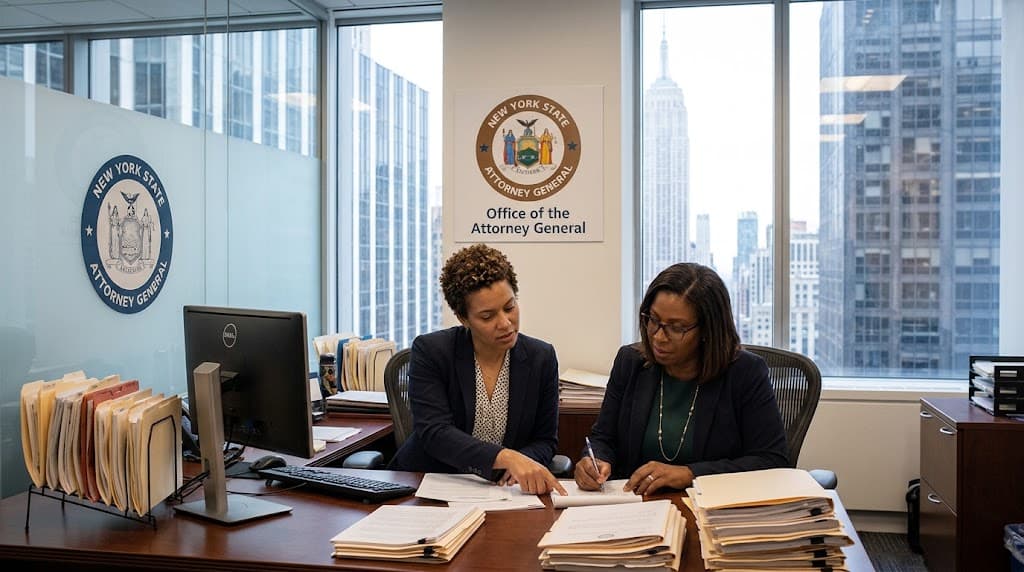
The regulatory storm surrounding prediction markets is widening. After interventions in New York and a certified appellate review in Wisconsin, Connecticut has now entered the fray. The state’s Department of Consumer Protection (DCP) has issued subpoenas to gaming service license holders, seeking information about sports prediction markets operating within its borders.
In a letter dated September 8, 2026, the DCP clarified that the subpoenaed companies “are not under investigation” but may possess information that could assist the state “in evaluating the conduct of prediction market platforms.” The distinction is important. Connecticut is not accusing payment processors or service providers of wrongdoing but is instead gathering evidence to assess whether prediction markets are violating state gaming laws.
Connecticut’s Concerns
The DCP’s letter outlines several areas of concern. Prediction markets may be allowing individuals under 21 to participate, failing to block those on the self-exclusion list, and offering contracts on Connecticut collegiate sports teams. Each of these practices would run afoul of state gaming regulations.
By targeting service providers like Paysafecard USA, Inc., the DCP is seeking testimony and documents that could shed light on how prediction markets operate. The move signals that Connecticut is taking a proactive stance, even before formal enforcement actions are launched.
A National Patchwork
The Connecticut inquiry adds another layer to a growing national patchwork of legal challenges. In New York, the American Gaming Association has intervened in CFTC v. New York, arguing that prediction markets are simply unlicensed sportsbooks. In Wisconsin, Judge William Conley has certified for appellate review whether tribes can sue prediction markets under IGRA and whether federal statutes preempt tribal authority.
Together, these cases highlight the uncertainty surrounding prediction markets. Are they financial exchanges governed by commodities law, or are they gambling platforms subject to state and tribal regulation? Courts across the country are being asked to decide, and the answers may differ by jurisdiction.
The Stakes for States
For states like Connecticut, the stakes are financial and regulatory. Licensed sportsbooks generate significant tax revenue, while prediction markets contribute nothing. In New York, online sportsbooks produced $1.32 billion in taxes last year. Prediction markets, despite offering similar products, paid zero.
Connecticut’s inquiry suggests that regulators are unwilling to let prediction markets operate unchecked. By gathering evidence now, the state positions itself to take action if courts or Congress clarify that prediction markets fall under gambling law.
Tribal Sovereignty and Federal Law
The Wisconsin case underscores the tribal dimension of the debate. The Ho-Chunk Nation argues that prediction markets are offering unauthorized Class III gaming on tribal lands. Judge Conley agreed, at least preliminarily, and certified the question for appellate review.
The outcome will determine whether tribes can use IGRA to enjoin prediction markets and whether federal statutes like UIGEA preempt tribal authority. If the Seventh Circuit affirms, tribes will gain a powerful tool to regulate prediction markets. If it reverses, prediction markets could gain protection under federal commodities law.
Industry Pushback
Prediction market operators insist that they are offering financial products, not gambling. Kalshi, for example, has described its contracts as event-based derivatives. Yet its advertising tells a different story. Campaigns have promoted Kalshi as “the first app for legal sports betting in all 50 states” and encouraged users to “bet on the NFL.”
Analysts like Dustin Gouker have documented how prediction markets mirror sportsbooks, offering proposition bets, parlays, and spreads identical to those found in licensed betting apps. These parallels make it difficult for regulators to accept the financial framing.
Looking Ahead
The convergence of state, tribal, and federal challenges suggests that prediction markets are approaching a legal reckoning. Connecticut’s subpoenas, New York’s intervention, and Wisconsin’s certified appellate review all point toward a future in which courts and regulators must decide whether prediction markets belong in the financial sector or the gaming industry.
For now, the cases remain unresolved. But the momentum is clear. States and tribes are asserting authority, trade groups are pushing back against federal regulators, and prediction markets are fighting to preserve their identity as financial exchanges.
The Supreme Court may ultimately decide the issue. Judge Conley himself noted that the Wisconsin case is “novel” and likely headed to the nation’s highest court. If so, the ruling will not only determine the fate of prediction markets but also redefine the boundaries of tribal sovereignty, state regulation, and federal financial law.
Rate this piece — one tap, no signup
Editor-in-Chief
The Weekly Signal
Every Friday — the week's sharpest prediction market analysis, forecasting insights, and data-driven commentary. No noise.
Disclaimer: This content is for informational and educational purposes only. It does not constitute financial advice, investment recommendations, or trading guidance. Prediction market participation involves risk of loss. Always conduct your own research before making any financial decisions.